Thermal imaging, moisture mapping, and lab-backed answers in one visit
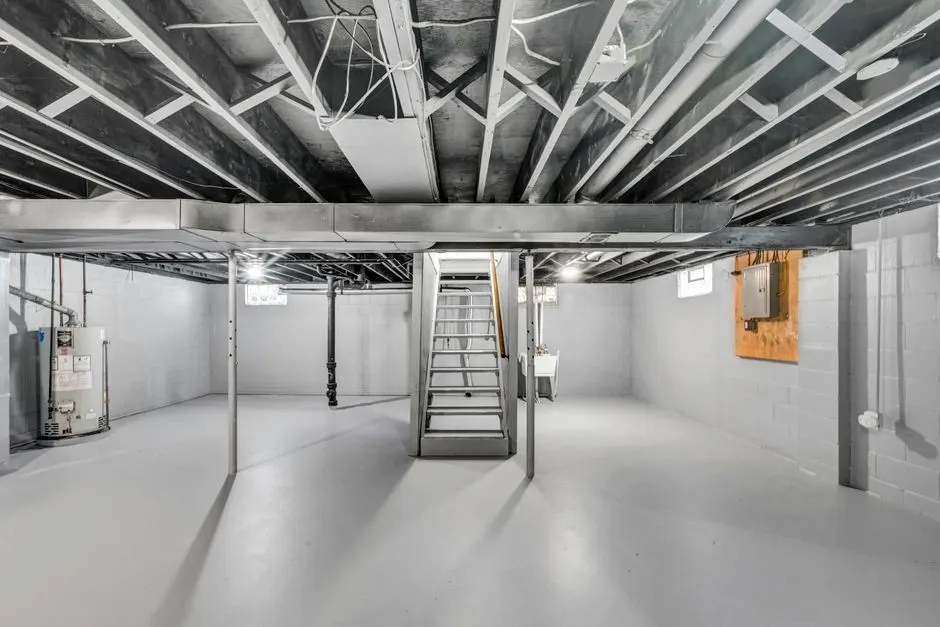
Basement Mold Inspection in Lake Worth Beach, Florida
A basement mold inspection in Lake Worth Beach, Florida starts with finding the water, not just the stain. We map moisture with thermal imaging and pin-type meters, test the air, and hand you a written scope the same day. If you have smelled that musty odor since the last storm or noticed dark speckling along the baseboard, call (833) 929-5837 and we will get a cellar mold assessment Lake Worth Beach homeowners can act on.
Live phone supportUpfront optionsBacked workmanship
What's included
What Our Basement Mold Inspection Includes
Every inspection includes the full diagnostic package below. Remediation, encapsulation, and post-remediation clearance testing are quoted separately once we know what we are dealing with, so you are never paying for removal work before the lab has confirmed it is needed.
Thermal Imaging Scan
We run a thermal imaging camera across every accessible wall, floor, and ceiling surface in the basement. Temperature anomalies show us where moisture is hiding behind finished surfaces, and we confirm each hit with a pin-type moisture meter before it goes in the report.
Moisture and Humidity Readings
A hygrometer and pin-type meter give us hard numbers: wood moisture content on framing, relative humidity at floor level, and slab moisture. Anything above 16 percent on wood or 60 percent RH gets flagged with a photo and a location note.
Air and Surface Sampling
We set air cassettes in the basement and outdoors for a baseline comparison, then take tape-lift or swab samples from any visible growth. Samples go to an accredited lab with a 24 to 48 hour turnaround and results come back by genus.
Boroscope Wall Cavity Check
A boroscope inspection camera lets us look inside wall cavities through a small hole instead of cutting open the drywall. We use it on any wall that reads wet on the meter but shows no visible growth on the surface.
Written Report With Photos
You get a written report with photos, meter readings, lab results, affected square footage, and a recommended scope. It is formatted so you can hand it to an insurance adjuster, a realtor, or a second contractor without editing anything.
Service overview
What a Basement Mold Inspection in Lake Worth Beach, Florida Covers
A basement mold inspection in Lake Worth Beach, Florida is a diagnostic service that locates active mold growth, traces it back to its moisture source, and documents both with photos, meter readings, and lab results. We do not guess from the smell. We walk the slab, check the rim joist, pull the insulation back at the band board, and read the hygrometer at floor level where the humidity actually sits. Every finding gets a number attached to it, so you know whether you are looking at a $400 air scrubber job or a full encapsulation.
Lake Worth Beach sits at 10 to 15 feet above sea level in spots, and the water table under neighborhoods like College Park and Tropical Ridge can push vapor straight through a slab. Add 60-plus inches of annual rain and a hurricane season that runs June through November, and a finished basement becomes a sponge. That is why we get calls for basement mold testing near me Lake Worth Beach FL from homeowners who already bleached the wall once and watched it come back in three weeks. Bleach kills surface color, not the colony inside the drywall.
How we workWe verify the cause, compare realistic options, and confirm the repair before we leave.
The service timeline
How Our Basement Mold Inspection Process Works
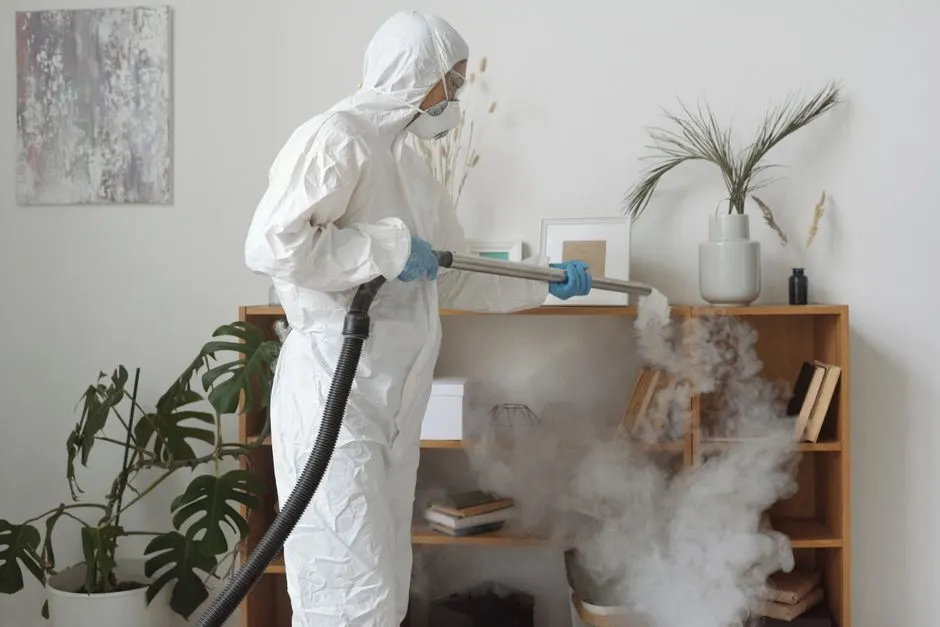
The process flexes to the condition, but these checkpoints keep decisions clear.
Phone Intake
You call (833) 929-5837 and tell us what you are seeing: the smell, the staining, the last time the basement took on water. We ask about the age of the house and whether the space is finished or bare block. Five minutes on the phone usually tells us whether you need a full inspection or a quick spot check, and we book the visit around your schedule, including evenings.
On-Site Walkthrough
A licensed assessor walks the basement with you, typically 45 to 75 minutes for a standard 800 to 1,200 square foot space. We check the slab, rim joist, stairwell framing, window wells, and any HVAC returns pulling air from the basement. Every suspicious area gets photographed and logged before we touch anything.
Moisture Mapping
We run a thermal imaging camera across the walls and floor to find temperature anomalies, then confirm each one with a pin-type moisture meter and a hygrometer. Readings above 16 percent wood moisture content or 60 percent relative humidity get flagged. We also use a boroscope inspection camera to look inside wall cavities without cutting them open.
Air and Surface Sampling
We set an air cassette in the basement and a control sample outdoors, then take tape-lift or swab samples from visible growth. Samples go to an accredited lab with a 24 to 48 hour turnaround. If you need a same-day read, we can run a spore trap and give you a preliminary count on site.
Report and Scope
You get a written report with photos, meter readings, lab results, and a recommended scope of work. If remediation is needed, we price it line by line. If it is a humidity problem and not a colony, we tell you that too and hand you a dehumidifier spec instead of a remediation contract.
Tools & methods
Tools and Methods We Use
Purpose-built equipment, used by trained technicians, so the job is done accurately the first time.
Thermal Imaging Camera
Detects temperature differences behind finished walls and under slabs to locate hidden moisture without demolition. We confirm every anomaly with a meter before it goes in the report.
Pin-Type Moisture Meter
Gives us hard wood moisture content readings on framing, bottom plates, and subfloor. Anything above 16 percent is flagged as a potential mold substrate.
Boroscope Inspection Camera
Lets us look inside wall cavities and under baseboards through a small hole. Essential for confirming growth behind finished basement walls without cutting them open.
Hygrometer
Measures relative humidity at floor level, where basement air is coolest and wettest. Readings above 60 percent RH tell us the space needs mechanical dehumidification regardless of visible growth.
Air Scrubber and Negative Air Machine
Creates negative pressure inside the containment zone and filters airborne spores through HEPA filters. This is what keeps mold from spreading to the rest of the house during removal.
HEPA Vacuum
Captures settled spores from framing, block, and floor surfaces after physical removal. We use HEPA filters rated for fine particulate, not shop vacs with a bag.
Dry Ice Blasting Machine
Removes mold from wood framing and block without water or abrasive media. It is our preferred method for exposed joists and rim boards because it leaves no secondary residue.
Use cases
When to Book a Basement Mold Inspection
These examples show how the service framework adapts rather than forcing every call through one repair.
Hidden Growth Behind Historic District Paneling
A 1928 home near the Historic District had a musty smell in the basement but no visible mold. The homeowner had bleached the walls twice with no result. A thermal scan showed two cold zones on the north wall, and a boroscope confirmed growth inside the wall cavity behind original wood paneling. → We removed four feet of paneling and the wet insulation behind it, treated the block with an antimicrobial solution, and applied an encapsulation coating. The wall was rebuilt with a vapor-permeable finish. Post-remediation air sampling came back at outdoor baseline levels.
Recurring Mold in a Parrot Cove Rental
A rental property in Parrot Cove had mold return in the same corner three years in a row. Previous contractors had cleaned the surface each time without addressing the source. The tenant had complained twice, and the owner was facing a possible rent withholding claim. → We traced the moisture to a failed supply line behind the finished wall that had been weeping slowly for years. We repaired the line, removed 35 square feet of affected drywall, ran dry ice blasting on the framing, and passed clearance testing. The whole job took five days.
Problems we solve
Basement Mold Problems We Solve in Lake Worth Beach
Most basement mold calls fall into a handful of patterns. Here are the ones we see most often in Lake Worth Beach, what happens if you leave them alone, and how we handle each one.
Musty odor with no visible growth
We run a boroscope inspection camera into the wall cavities and take air samples in each room. Once we locate the colony, we set a containment barrier and remove only the affected material, then HEPA vacuum and treat the framing.
Recurring mold after every rainy season
We trace the water with thermal imaging and a moisture meter, then correct the source: window well drainage, foundation crack injection, or a slab vapor barrier. Remediation only happens after the water path is closed.
Mold behind finished basement walls
We use thermal imaging to map the wet zone without demolition, then cut a small inspection opening to confirm. If growth is present, we remove the affected drywall in a contained work area and treat the framing with an antimicrobial solution.
Mold after a flooded basement
We extract standing water, set Dri-Eaz and Phoenix Restoration air movers with dehumidifiers, and monitor moisture daily until the structure reads dry. Then we test for mold and remediate only what the lab confirms is contaminated.
Pricing process
Basement Mold Inspection Pricing in Lake Worth Beach
$250 - $600 for most basement mold inspections; remediation quoted separately from $1,200 to $8,500 depending on scope
Basement Square Footage
A 500 square foot basement takes 45 minutes to inspect. A 1,500 square foot finished space with multiple rooms takes two hours and more samples. Square footage is the biggest single driver of inspection cost.
Number of Lab Samples
Each air or surface sample runs $50 to $90 through an accredited lab. A standard inspection uses two to four samples. A larger or more complex space may need six or more to cover every room and compare against the outdoor baseline.
Finished vs. Unfinished
Finished basements hide moisture behind drywall, paneling, and flooring, which means more thermal scanning and boroscope work. Unfinished block basements are faster to inspect because every surface is accessible.
Questions before we arrive
Frequently Asked Questions About Basement Mold Inspection
How much does basement mold inspection cost in Lake Worth Beach Florida?
Most inspections run $250 to $600 in 2026, with the average landing around $375 for a standard 1,000 square foot basement. Price moves with square footage, how many air and surface samples we pull, and whether the space is finished. A bare block basement with one visible stain sits at the low end. A finished basement with three rooms and elevated humidity runs higher. Remediation, if needed, is quoted separately.
Why does my basement get mold in Lake Worth Beach?
High water table, sandy soil, and 60-plus inches of annual rain push vapor through slabs and block walls year-round. Add a hurricane season that dumps three inches in an afternoon, and any crack in the foundation or failed window well becomes a mold source within 48 hours. Most Lake Worth Beach basements we inspect have a humidity problem first and a visible colony second.
Who does basement mold testing near me in Lake Worth Beach FL?
We do, and we cover the whole city plus Hypoluxo Island, Lake Clarke Shores, and the neighborhoods around Bryant Park and Mango Groves. Our assessors are Florida Mold Assessor License (MRSA) holders and we use accredited labs for every sample. Call (833) 929-5837 and we can usually get an inspector to your door the same day.
Can basement mold be removed permanently in Lake Worth Beach?
Yes, if you fix the water source first. We remove the affected drywall and insulation, HEPA vacuum the framing, apply an antimicrobial solution, and finish with an encapsulation coating on the block or slab. Post-remediation clearance testing confirms the spore count is back to outdoor baseline. Without moisture control, mold returns. With it, we routinely see basements stay clean for years.
Related services
Related Services
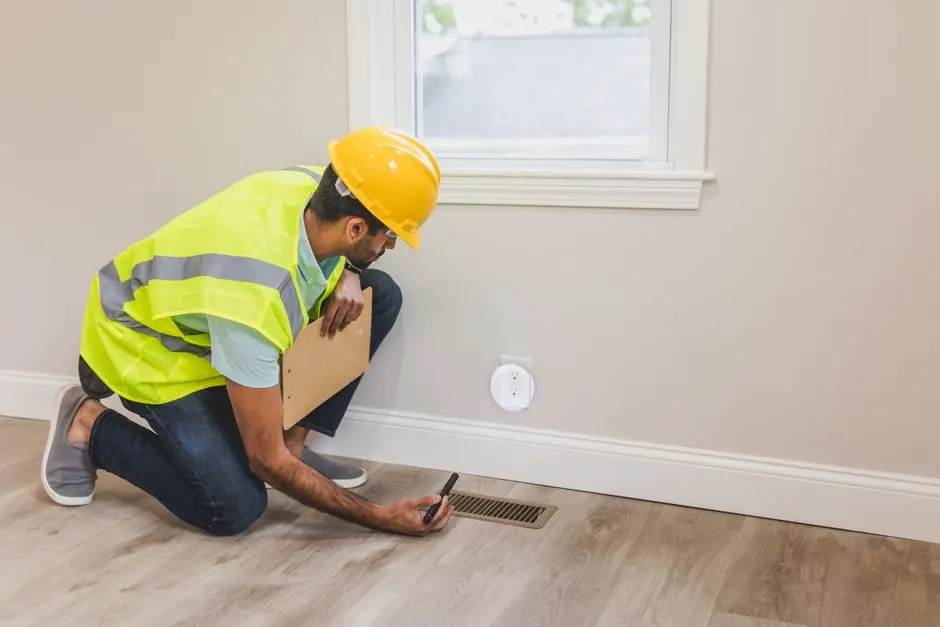
Mold Inspection Near Me
If you are searching for a mold inspection near me in Lake Worth Beach, this is the same diagnostic visit we run for basements, applied to the whole house. We check the attic, crawl space, and HVAC closet in one trip so you get a complete picture instead of one room.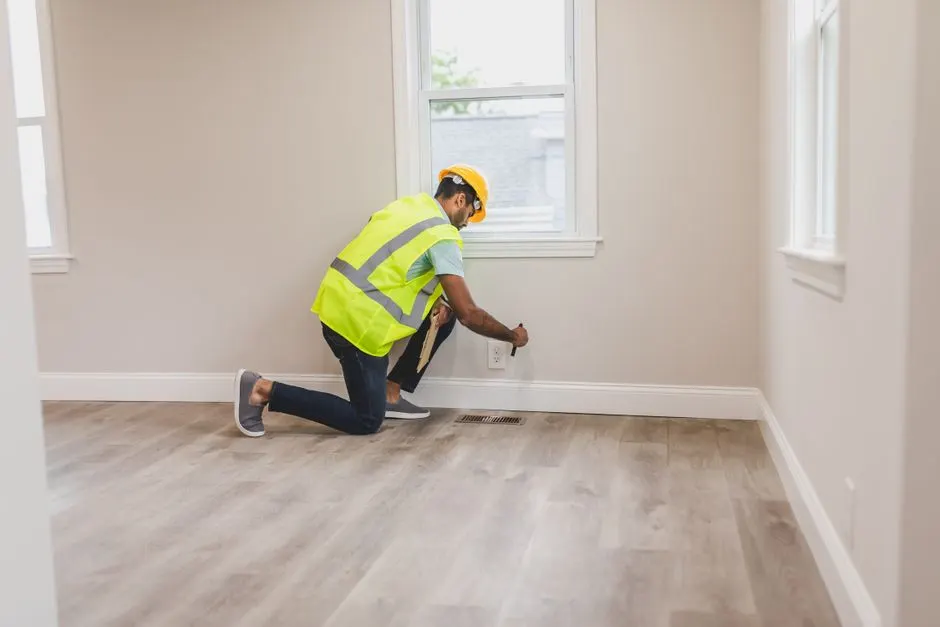
Mold Inspection
A full-property mold inspection covers everything a basement inspection does, plus the living space above it. Useful when the basement smell has crept upstairs or when a buyer wants documentation on the entire Lake Worth Beach home before closing.
Mold Testing
Mold testing is the lab half of the inspection: air cassettes, tape lifts, and spore counts by genus. We pair it with the basement walkthrough so the numbers line up with what we actually saw on the walls and framing.Ready when you are
Book Your Basement Mold Inspection in Lake Worth Beach, Florida
If you have smelled that musty odor for more than a week, the colony is already growing. Call (833) 929-5837 and we will get a licensed assessor to your basement, usually the same day. You get photos, meter readings, lab results, and a written scope. No pressure, no upsell, just the facts about what is growing and what it takes to stop it.
Talk with the local team
Request Basement Mold Inspection
Call (833) 929-5837 and you will reach a real person, not a call center. We answer around the clock for emergencies and schedule standard inspections Monday through Friday. If you send photos of the affected area, we can often give you a ballpark price before we arrive.